
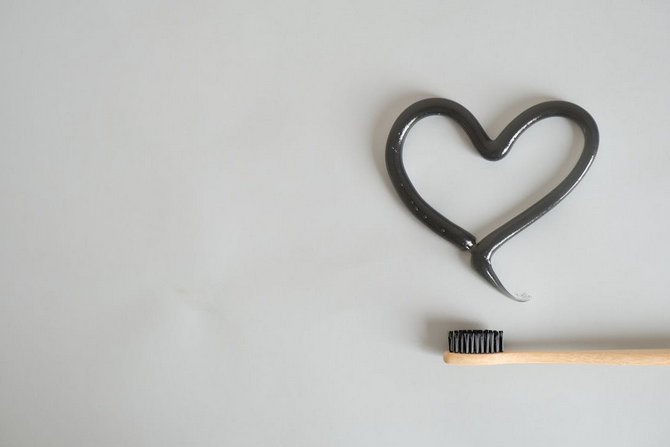
Social media has made many health and beauty trends go viral, and charcoal toothpaste is one of the most talked-about products in oral care today. Promoted as a natural solution for whiter teeth and better oral hygiene, activated charcoal toothpaste has gained widespread popularity. Many people are drawn to its bold black color and claims of detoxifying the mouth and removing stains. However, while the trend may look impressive online, dental professionals continue to question whether charcoal toothpaste is truly safe and effective. Understanding the science behind this product can help you make better decisions about your oral health.
What Is Charcoal Toothpaste and Why Is It Popular?
Charcoal toothpaste contains activated charcoal, a fine black powder made by heating carbon-rich materials such as coconut shells, wood, or peat. This process creates a highly porous substance designed to absorb impurities. In oral care products, charcoal is marketed as a natural stain remover that binds to toxins and plaque on the teeth. The popularity of charcoal toothpaste largely stems from viral videos showing dramatic whitening effects. However, these visual results often overlook important details about how the product interacts with tooth enamel and its impact on long-term dental health.
The Abrasive Nature of Charcoal Products
One of the main concerns dentists have about charcoal toothpaste is its abrasive texture. While mild abrasives are commonly used in toothpaste to help remove surface stains, charcoal particles can sometimes be too rough for daily use. Over time, excessive abrasion may wear down enamel, the protective outer layer of the teeth. Once enamel is damaged, it cannot regenerate. This can lead to increased tooth sensitivity and a higher risk of cavities. Individuals experiencing sudden tooth sensitivity or enamel damage may even require urgent dental care, which is why some patients ultimately end up visiting an emergency dentist glendale after prolonged use of overly abrasive whitening products.
Does Charcoal Toothpaste Actually Whiten Teeth?
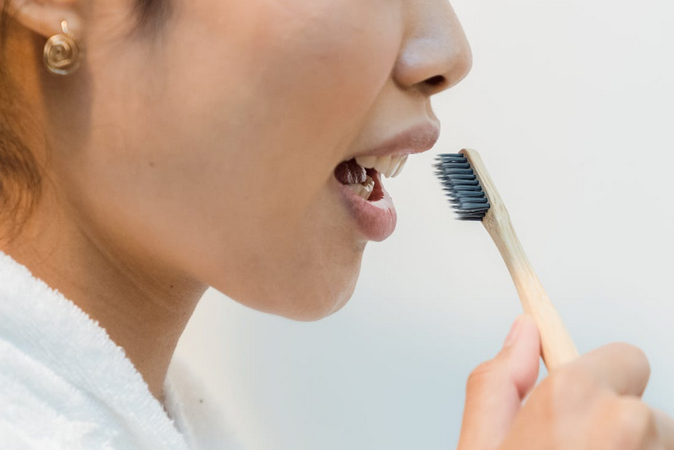
Many charcoal toothpastes claim to dramatically whiten teeth, but scientific evidence supporting these claims is limited. Charcoal can help remove some surface stains caused by coffee, tea, or smoking. However, it does not penetrate the enamel to change the natural color of teeth the way professional whitening treatments do. In fact, as enamel gradually wears down from abrasion, the yellowish dentin layer beneath the enamel may become more visible, potentially making teeth appear darker over time.
Potential Risks of Using Charcoal Toothpaste
Another issue with charcoal toothpaste is that many products do not contain fluoride, an essential ingredient for preventing cavities and strengthening enamel. Without fluoride, teeth may become more vulnerable to decay. Additionally, charcoal particles can accumulate in small cracks, dental restorations, or gum pockets, potentially irritating. The lack of long-term research on charcoal toothpaste also makes it difficult for dental professionals to fully evaluate its safety when used regularly.
What Dentists Recommend Instead
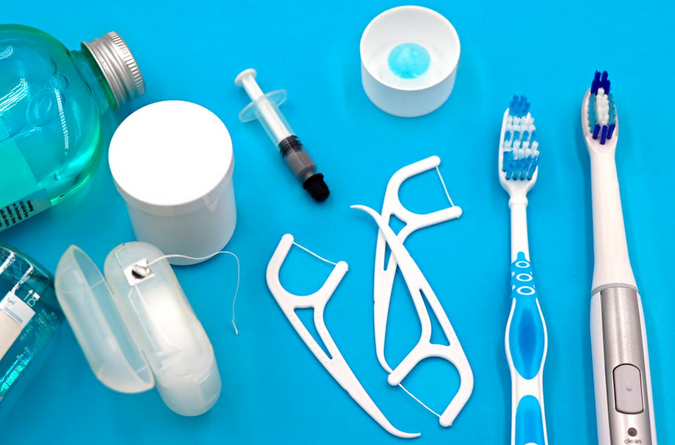
Most dentists recommend sticking to toothpaste that has been tested and approved by reputable dental organizations. These products typically contain fluoride and are formulated to clean teeth effectively without damaging enamel. Professional whitening treatments, whitening trays, and dentist-approved over-the-counter products offer safer ways to brighten your smile. Maintaining a consistent oral hygiene routine—brushing twice daily, flossing, and attending regular dental checkups—remains the most reliable way to keep teeth healthy and clean.
Charcoal toothpaste may look appealing and promise quick whitening results, but the reality is more complex. While it can remove some surface stains, its abrasive nature and lack of fluoride in many formulas raise concerns among dental professionals. Long-term use may even contribute to enamel damage and increased sensitivity. Before trying viral oral health trends, it’s important to consider the potential risks and consult with a dental professional. Choosing scientifically supported dental products and maintaining proper oral care habits is still the safest and most effective way to protect your smile.